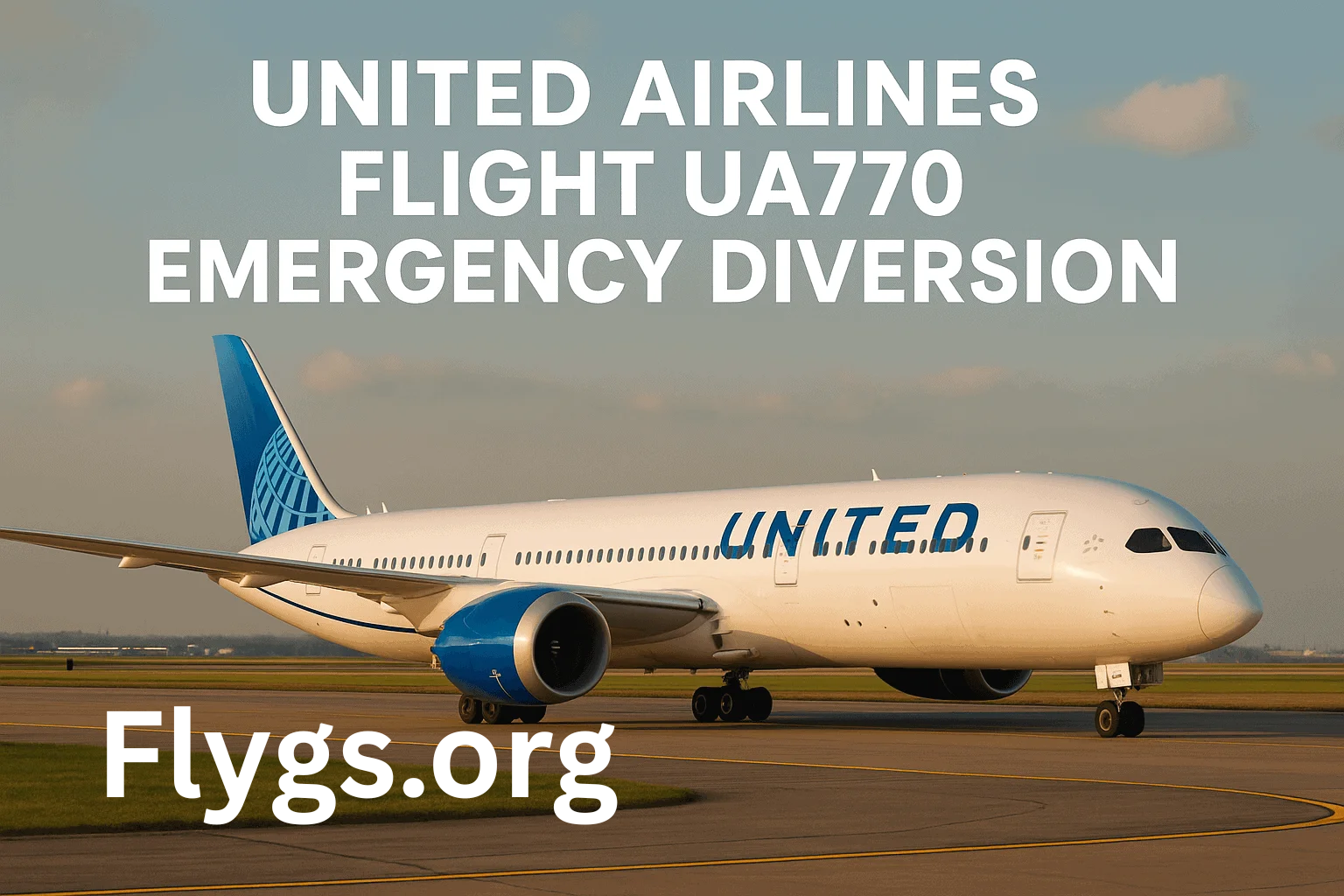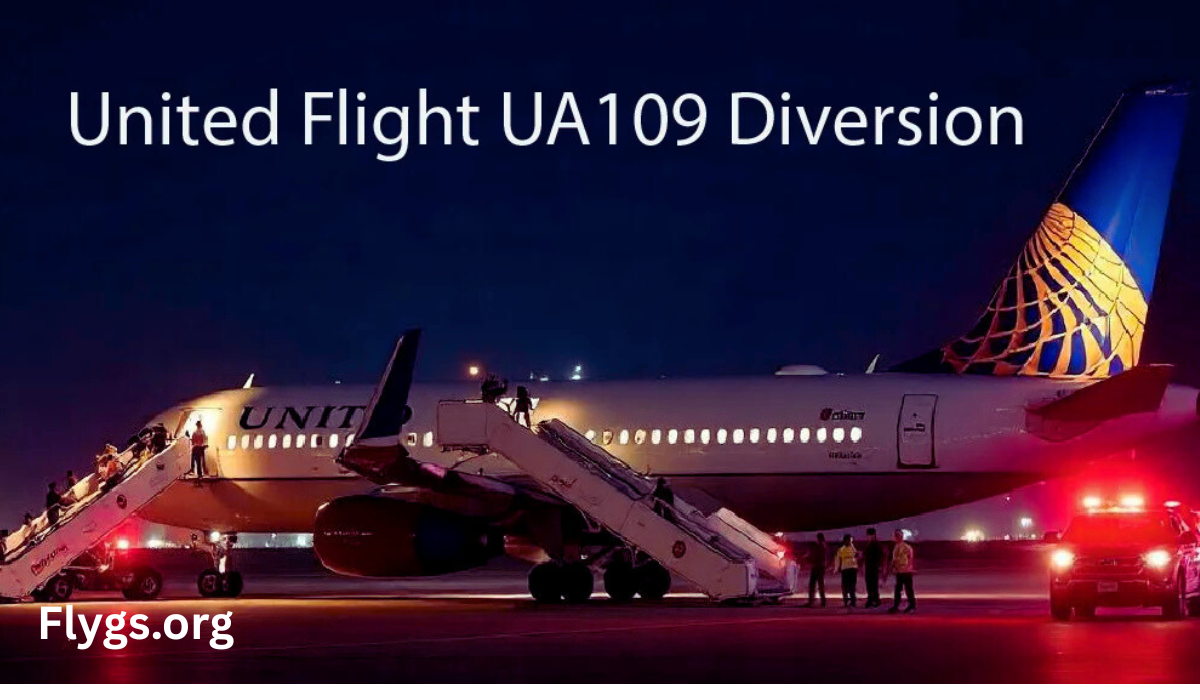
Air travel is often a seamless journey, but there are times when unexpected events can lead to diversions. One such incident that captured headlines was the United Airlines Flight UA109 diversion. This event not only affected those on board but also sparked discussions about airline protocols and passenger rights. Understanding what happened during this flight can provide valuable insights into how airlines manage emergencies and prioritize safety. Let’s take a closer look at the UA109 incident, exploring its circumstances, impact, and lessons learned along the way.
Understanding Airline Diversions: A Deep Dive into the UA109 Incident
Airline diversions are more common than many travelers realize. They can occur for various reasons, including medical emergencies, severe weather conditions, or technical issues. The United Flight UA109 incident highlights how quickly plans can change mid-flight.
On a routine journey from Newark to Los Angeles, the flight encountered unexpected circumstances that led to its diversion. Passengers were taken by surprise as they learned they would land at an alternate airport instead of their intended destination.
Each diversion serves as a reminder of airlines’ commitment to safety and adaptability in challenging situations. It’s crucial for passengers to understand these processes and what it means for their travel experience when things don’t go according to plan.
Overview of United Airlines Flight UA109 Diversion
United Airlines Flight UA109 was a scheduled service from New Jersey to California. On that fateful day, the flight experienced an unexpected diversion that caught many passengers off guard.
The aircraft, a Boeing 737, had safely taken off when unforeseen circumstances prompted the crew to change its course. This decision is never made lightly and reflects the airline’s commitment to safety.
As news of the UA109 diversion spread, it raised questions among travelers about what really happened during this incident. Passengers were left wondering how such events unfold and what protocols airlines have in place for these situations.
Circumstances Leading to the Diversion
United Flight UA109 was en route from Newark to London when unexpected circumstances unfolded. Shortly after takeoff, the aircraft encountered a technical issue that raised safety concerns among the crew. Such issues can arise from mechanical failures or system alerts that require immediate attention.
As pilots assessed the situation, they faced a critical decision-making process. The safety of everyone on board remained their top priority. Diversions are often necessary to ensure that passengers and crew receive prompt assistance.
In this instance, the flight was diverted to a nearby airport for further evaluation and repairs. This swift action demonstrates how airlines prioritize passenger well-being during unexpected events in aviation.
Impact on Passengers and Crew
The diversion of United Flight UA109 had immediate repercussions for both passengers and crew. Many travelers faced uncertainty as they were redirected to an unfamiliar airport. This caused anxiety and disruption in their travel plans.
For the crew, managing a sudden change in operations added pressure. They were responsible for ensuring safety and comfort during an unexpected landing. Their training was put to the test under challenging circumstances.
Passengers experienced a mix of emotions—confusion, frustration, and concern about reaching their final destination. Communication from airline staff played a crucial role in easing tensions amid the chaos that followed the diversion.
United Airlines’ Response and Procedures
United Airlines acted swiftly in response to the UA109 diversion. The airline prioritized passenger safety and comfort, ensuring everyone remained informed throughout the ordeal. Crew members were trained to handle such situations effectively.
Once on the ground, United arranged for accommodations and transportation for affected passengers. Their goal was to minimize disruption and provide support during an unexpected challenge.
Communication played a key role in their response strategy. Passengers received timely updates about flight status and next steps, which helped alleviate anxiety amid uncertainty. Transparency is crucial during diversions, and United aimed to maintain trust with their travelers through clear messaging.
Lessons Learned from UA109 Incident
The UA109 incident highlighted the necessity for airlines to have robust contingency plans. Diversions can occur unexpectedly, and preparedness is crucial. Airlines need streamlined communication systems to relay information efficiently to passengers.
Training crew members on emergency protocols proved essential during this event. Their ability to manage passenger concerns and ensure safety helped mitigate anxiety during a stressful situation.
Additionally, it underscored the importance of real-time updates from airline operations teams. Passengers appreciate transparency regarding delays or diversions, fostering trust in their chosen airline throughout any disruption they may face while traveling.
Passenger Rights and Compensation
Passengers affected by the united flight ua109 diversion have specific rights under airline policies and federal regulations. These protections ensure that travelers are informed about their options in case of delays or diversions.
Compensation can vary depending on factors such as the reason for the diversion, length of delay, and airline policies. Many airlines offer meal vouchers, accommodation, or reimbursement for expenses incurred during unexpected disruptions.
It’s crucial to document your experience and keep all receipts related to additional costs. Travelers should contact customer service promptly to inquire about compensation eligibility based on their unique situation.
Conclusion
Understanding the UA109 diversion sheds light on the complex nature of air travel. Such incidents can happen for various reasons, from technical malfunctions to unforeseen circumstances. The response from airlines, including United Airlines in this case, plays a crucial role in managing these situations effectively.
Passengers should be aware of their rights when facing diversions and potential disruptions. Knowledge about compensation policies helps travelers navigate unexpected changes with confidence.
As we look back at the UA109 incident, it serves as a reminder that while flying remains one of the safest modes of transportation, challenges can arise at any time. Staying informed and prepared is essential for everyone involved in air travel.