Investing in the S&P 500 has long been considered a cornerstone strategy for those looking to build wealth over time. This index, which tracks the performance of 500 leading U.
S. companies, offers a snapshot of the overall health of the stock market and serves as a reliable barometer for investors. But what makes it so appealing?
In an era where investment options seem endless, understanding how to navigate this iconic index can be your key to unlocking long-term financial success. Whether you’re just starting out or you’re a seasoned investor seeking new strategies, exploring the history, selection criteria, and performance metrics of the S&P 500 is crucial. Let’s dive into what makes investing in this powerhouse index not just beneficial but essential for anyone serious about their financial future.
History
The S&P 500 was introduced in 1957 as a way to provide a comprehensive look at the American economy. It replaced the earlier S&P 90 index, which only tracked 90 stocks. The broader selection of companies allows for better representation of various sectors and industries.
Initially, the index consisted of just large-cap companies, but over time it expanded its scope. Today, it includes firms from diverse fields such as technology, healthcare, finance, and consumer goods. This diversity helps cushion against market volatility by balancing out sector-specific downturns.
The methodology behind selecting companies has also evolved since its inception. The inclusion criteria now focus on factors like market capitalization, liquidity, and financial viability. These strict guidelines ensure that only well-established businesses make it onto this prestigious list.
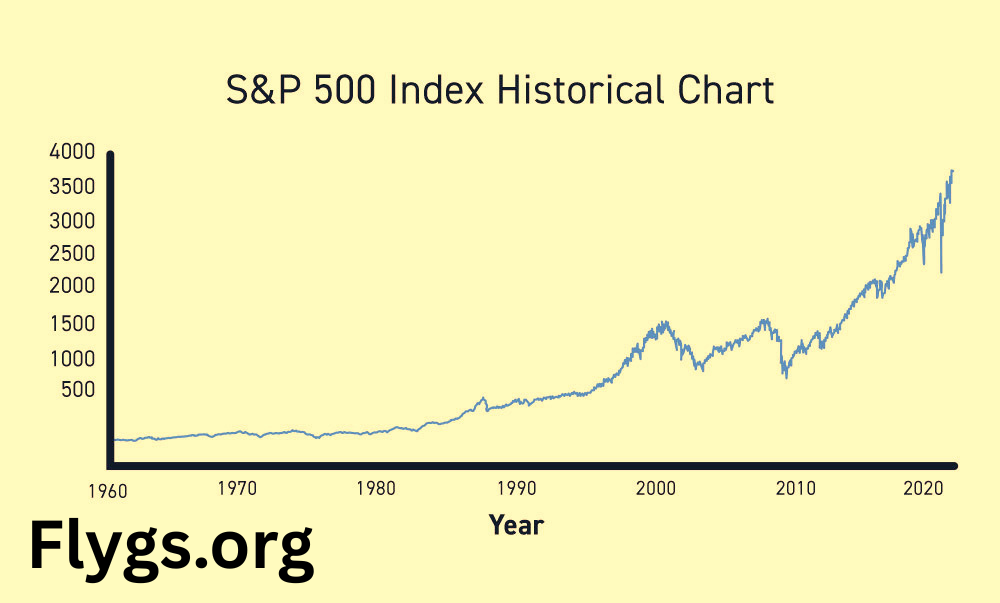
As we fast forward through decades of economic change—from booms to recessions—the S&P 500 has emerged as a trusted benchmark for investors worldwide. Its historical performance offers valuable insights into long-term growth trends and investor sentiment across generations.
Selection Criteria
When investing in the S&P 500, understanding the selection criteria is vital. The index comprises 500 of the largest publicly traded companies in the United States. These firms are chosen based on specific guidelines that assess their market capitalization, liquidity, and industry representation.
Market capitalization is a crucial factor. Companies must meet a minimum threshold to ensure they are large enough to offer stability and growth potential. This helps maintain the quality of the index by focusing on established players rather than smaller, riskier investments.
Liquidity also plays a significant role in selection. Stocks included in the S&P 500 should have high trading volumes, making it easier for investors to buy and sell without causing major price fluctuations. This ensures smoother transactions for all stakeholders involved.
Industry representation is another critical aspect of selection. The S&P 500 aims to provide a balanced view of various sectors within the economy—like technology, healthcare, finance, and consumer goods—ensuring diversification while reflecting broader market trends effectively.
Performance
The performance of the S&P 500 has historically been robust, making it a popular choice for investors seeking long-term growth. This index tracks 500 of the largest publicly traded companies in the United States, reflecting overall market trends and economic health. Its broad representation allows investors to gain exposure to diverse sectors.
Over time, the average annual return of the S&P 500 hovers around 10% when adjusted for inflation. This consistent growth attracts both novice and experienced investors who appreciate its potential for capital appreciation. The index often outperforms many actively managed funds over extended periods.
Market fluctuations can impact short-term returns dramatically, leading some to worry during downturns. However, history shows that those who remain invested typically see substantial recoveries as markets rebound. Patience is key here; staying invested through volatility often yields better outcomes.
Investors can capitalize on this by employing various strategies tailored to their risk tolerance and investment goals. With careful planning and discipline, leveraging the performance of the S&P 500 can be an effective pathway toward financial security.
Mutual and Exchange-Traded Funds
Mutual funds and exchange-traded funds (ETFs) are popular ways to invest in the S&P 500. They provide an easy entry point for both novice and seasoned investors. With these investment vehicles, you can gain exposure to a diversified portfolio of large-cap U.
S. companies without having to pick individual stocks.
Mutual funds pool money from multiple investors to buy shares in the S&P 500 index. This way, your investment mirrors the performance of the entire index. Most mutual funds charge management fees, which can eat into your returns over time. However, they often offer professional management and research.
On the other hand, ETFs trade like stocks on exchanges throughout the day. This feature allows for greater flexibility in buying and selling compared to traditional mutual funds that settle at day’s end. Many ETFs tracking the S&P 500 come with lower expense ratios than their mutual fund counterparts.
Both options have unique advantages depending on your investing style and goals. Consider factors like liquidity needs, costs, and whether you prefer active or passive management when choosing between them.
Derivatives
Derivatives can be a valuable tool for investors looking to enhance their exposure to the S&P 500. These financial instruments allow you to speculate on the future price movements of index components without directly owning them. This can provide both opportunities and risks, making it essential for investors to have a clear understanding before diving in.
Options are one type of derivative commonly used with the S&P 500. They give you the right, but not the obligation, to buy or sell an underlying asset at a predetermined price within a specific timeframe. Using options strategically can help hedge against potential losses or amplify gains when market conditions are favorable.
Futures contracts represent another way to gain exposure. By agreeing to buy or sell an asset at a future date and price, futures offer leverage that can magnify returns—or losses—based on market fluctuations. While they may not be suitable for every investor due to their complexity and risk profile, they serve as powerful tools when employed correctly.
Engaging with derivatives requires careful consideration of your investment goals and risk tolerance. When combined thoughtfully with other strategies aimed at harnessing growth from the S&P 500, derivatives could play a significant role in achieving long-term financial success.