Mannacote is more than just a culinary delight; it’s a journey through history, culture, and nutrition. This unique ingredient has woven its way into various traditions, becoming a staple in kitchens around the globe. Whether you’re a seasoned cook or just starting your culinary adventure, understanding mannacote opens up endless possibilities for delicious dishes. From its rich nutritional benefits to innovative cooking techniques, this guide will take you deep into the world of mannacote. Get ready to discover why this remarkable food deserves a place on your table!
Mannacote 101: A Comprehensive Guide to Its Uses and Benefits
Mannacote is a versatile ingredient that can elevate a variety of dishes. Known for its unique texture and flavor, it seamlessly fits into both savory and sweet recipes. Chefs love experimenting with mannacote, blending it into soups or using it as a base for delicious desserts.
Beyond its culinary appeal, mannacote also boasts numerous health benefits. Packed with essential nutrients, it supports overall well-being while being easy to digest. This makes it an excellent choice for those seeking balanced nutrition in their meals.
What Is Mannacote?
Mannacote is a unique ingredient derived from the starchy endosperm of various grains, often used in culinary applications for its versatility. It has gained popularity due to its ability to enhance texture and flavor in dishes.
This ingredient acts as a binding agent and thickener, making it perfect for recipes that require cohesion without added gluten. Whether you’re baking or cooking savory meals, mannacote offers an excellent option for those looking to improve their dishes effortlessly.
History and Cultural Significance
Mannacote has deep roots in various cultures, particularly among indigenous communities. This versatile ingredient often symbolized sustenance and shared meals, bringing people together for celebrations and rituals.
Throughout history, it has evolved from a simple staple to a cherished food item. Many cultures have their unique preparations and traditions surrounding mannacote, highlighting its importance not just as nourishment but also as a vital part of cultural identity and heritage.
Nutritional Breakdown and Health Impact
Mannacote is rich in essential nutrients, making it a valuable addition to any diet. It contains complex carbohydrates that provide sustained energy, along with dietary fiber for digestive health. Additionally, it’s packed with vitamins and minerals like B vitamins and magnesium.
The health benefits of mannacote extend beyond nutrition. Its low glycemic index makes it suitable for those monitoring blood sugar levels. Plus, the antioxidants present can help combat oxidative stress and support overall well-being.
Cooking Tips and Techniques
When preparing mannacote, start by ensuring your water is at a rolling boil before adding it. This helps maintain the texture during cooking. Stir gently to prevent sticking, and taste frequently for the perfect al dente bite.
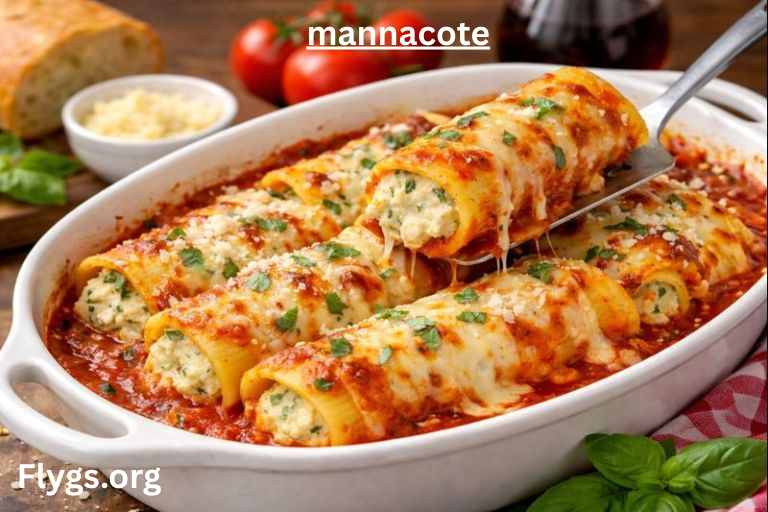
Pairing mannacote with flavorful sauces can elevate your dish. Consider creamy Alfredo or zesty marinara to enhance its natural flavor. Don’t forget to finish with fresh herbs or grated cheese for an added layer of depth and freshness in every serving!
Variations and Modern Trends
Mannacote is evolving with culinary creativity. Chefs are experimenting with flavors and textures, integrating local ingredients to refresh traditional recipes. This adaptability makes it a favorite in contemporary kitchens.
The rise of plant-based diets has also influenced mannacote’s versatility. It’s now common to see it used as a base for vegan dishes or paired with global spices, highlighting its ability to blend seamlessly into diverse cuisines while maintaining its nutritional benefits.
Sustainability and Gardening Connections
Mannacote not only nourishes the body but also supports sustainable gardening practices. Grown using eco-friendly methods, this versatile ingredient thrives in various climates and requires minimal resources. This makes it an excellent choice for gardeners looking to reduce their environmental impact.
Planting mannacote encourages biodiversity by attracting beneficial insects and improving soil health. As a companion crop, it can help boost yields of nearby plants while promoting a healthier ecosystem within your garden space. Embracing mannacote contributes to a greener future for all.
Popular Pairings and Serving Suggestions
Mannacote shines when paired with fresh vegetables, herbs, and proteins. Think roasted bell peppers, sautéed spinach, or grilled chicken for a delightful meal. Enhance the flavor profile with zesty lemon or tangy balsamic vinegar.
For a more indulgent option, consider combining mannacote with creamy cheeses like ricotta or feta. Top it off with nuts and seeds for added crunch. These combinations not only elevate your dish but also create visual appeal on your plate.
Common Mistakes to Avoid
When preparing mannacote, many people underestimate the importance of water-to-mannacote ratios. Too much liquid can lead to a mushy texture, while too little will make it dry and unappetizing.
Another common mistake is neglecting seasoning. Mannacote has a subtle flavor that needs enhancement from herbs and spices. Skipping this step results in bland dishes that fail to showcase its potential as a versatile ingredient.
Store, Reheat, and Make-Ahead Tips
Storing mannacote properly ensures its freshness. Keep it in an airtight container in a cool, dry place. Ideally, consume within a week for the best flavor and texture.
When reheating, use low heat to maintain its integrity. A splash of broth or water can help restore moisture. If you plan ahead, consider cooking larger batches and freezing portions for later use—just be sure to let them cool completely before sealing!
Mannacote Across Different Cuisines and Regions
Mannacote has woven itself into diverse culinary traditions across the globe. In Middle Eastern cuisines, it often pairs beautifully with aromatic spices and is incorporated into savory dishes. Asian cultures enjoy mannacote in soups or as a filling for dumplings, showcasing its versatility.
In Latin America, you might find variations served alongside hearty stews or grilled meats, complementing bold flavors. European kitchens experiment with mannacote in both sweet desserts and rich main courses.
As food lovers seek to explore global palates, the adaptability of mannacote makes it an exciting ingredient worthy of experimentation. From traditional recipes to innovative twists, there’s no shortage of ways to savor this remarkable staple across various regions.