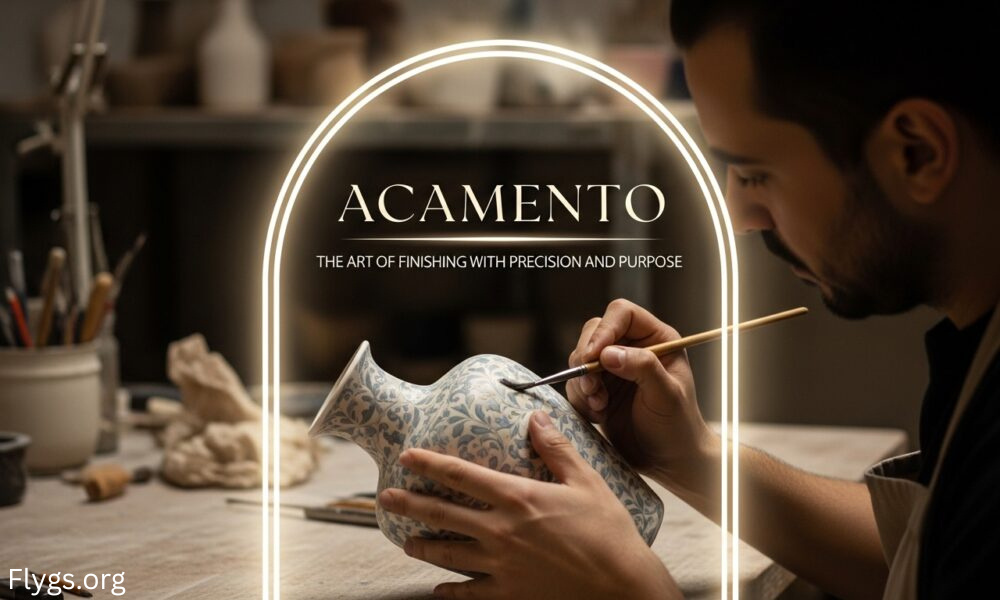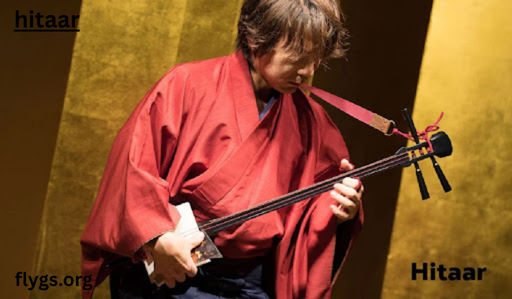
Hitaar is more than just a craft; it’s a journey through culture, tradition, and artistry. This exquisite form of art embodies the spirit of creativity that has been passed down through generations. Each piece tells its own story—a narrative woven through intricate patterns and vibrant colors. Enthusiasts are not only captivated by its beauty but also moved by the passion and dedication behind each creation.
As you delve deeper into the world of hitaar, you’ll discover a rich tapestry of techniques and inspirations that fuel this timeless masterpiece. Whether you’re an artist seeking new ideas or simply someone who appreciates fine craftsmanship, hitaar offers something special for everyone. Join us as we explore this remarkable art form and uncover what makes it truly unique in today’s modern landscape.
Hitaar: The Art and Craft Behind This Traditional Masterpiece
Hitaar is a traditional art form that encapsulates the essence of craftsmanship. Originating from rich cultural backgrounds, each piece is meticulously crafted by skilled artisans who pour their heart and soul into every detail. The beauty lies not just in its visual appeal but in the stories woven into the very fabric of creation.
The intricate techniques used to create hitaar vary widely, showcasing diverse styles influenced by regional traditions. Artisans often draw inspiration from nature, folklore, and historical events, ensuring that each work reflects a unique narrative. This fusion of creativity and tradition keeps the art alive while allowing it to evolve with contemporary influences.
Beyond being mere decorative items, hitaar pieces serve as powerful symbols of identity and heritage. They celebrate history while inviting new generations to appreciate and engage with this artistic legacy. Each artwork holds within it a piece of culture waiting to be discovered and cherished.
The Art of Hitaar: Techniques, Styles, and Inspirations
Hitaar is a captivating blend of artistry and tradition. It embodies techniques that have been passed down through generations, showcasing meticulous craftsmanship. Artisans use various tools to create intricate patterns, often drawing inspiration from nature and cultural motifs.
The styles of Hitaar are diverse, reflecting the regions where they originate. Some artists favor geometric designs, while others lean toward floral or abstract forms. Each piece tells a story, revealing the artist’s personal touch and heritage.
Inspiration for Hitaar can stem from everyday life or historical events. Many artisans find beauty in their surroundings – be it vibrant landscapes or local traditions. This connection deeply enriches each creation, making every hitaar unique and meaningful in its own right.
Understanding Hitaar
Hitaar is an exquisite form of craftsmanship that embodies tradition and culture. Originating from centuries-old practices, this art form showcases intricate designs and details that reflect the rich heritage behind it. Each piece tells a unique story, revealing the skills passed down through generations.
At its core, Hitaar involves meticulous techniques that require both precision and creativity. Artisans employ various materials, often combining them to create stunning visual effects. This layering not only enhances aesthetics but also adds depth to each creation.
Understanding Hitaar goes beyond appreciating its beauty; it’s about recognizing the dedication involved in every step of production. The inspiration drawn from nature, history, and daily life makes each work a celebration of artistic expression. As we delve deeper into this traditional craft, we uncover layers of meaning woven into every piece crafted by skilled hands.
Exploring Hitaar
Exploring hitaar reveals a rich tapestry of culture and craftsmanship. Each piece tells its own story, deeply rooted in tradition yet infused with contemporary influences. The intricate designs often reflect the natural world, showcasing flora and fauna that resonate with local folklore.
Artisans dedicated to this craft pour their heart into each creation. They meticulously select materials, ensuring quality and authenticity are preserved throughout the process. Every curve and detail is intentional, making the final product not just an object but a work of art.
Visiting workshops where hitaar is made offers a unique insight into the techniques employed by skilled hands. Observing these artisans at work can be mesmerizing; it highlights their passion for preserving heritage while also embracing innovation in design. This blend creates pieces that honor tradition while appealing to modern aesthetics.
Immersing in Hitaar
Immersing in hitaar is like stepping into a vibrant tapestry of culture and history. The intricate designs tell stories that resonate with the heart, inviting you to explore their depths. Each pattern is a reflection of the artisan’s soul, capturing emotions that transcend time.
As you engage with this traditional craft, pay attention to the textures and colors. They evoke sensations that pull you closer, urging deeper exploration. It’s an intimate experience where every piece carries its own narrative.
Participating in workshops or observing artisans at work reveals the dedication behind hitaar. You can appreciate not just the beauty but also the skill involved in creating these masterpieces. This connection deepens your appreciation for a tradition rich in artistry and heritage, leaving an indelible mark on your understanding of cultural craftsmanship.
Conclusion and Reflection
Hitaar embodies a rich tradition that transcends mere craftsmanship. It is a tapestry woven with stories, culture, and artistry. Each piece tells its own tale, reflecting the heritage of those who create it.
As we explore hitaar further, we uncover layers of meaning and expression. The techniques employed are as varied as the artisans themselves. They draw inspiration from nature, history, and personal narratives—infusing each creation with unique character.
Moreover, immersing ourselves in the world of hitaar invites us to appreciate not just the beauty but also the labor behind every masterpiece. It’s about understanding the passion that fuels these artists and recognizing their contributions to cultural preservation.
The art of hitaar represents more than aesthetics; it serves as a bridge between generations. Engaging with this craft allows us to connect deeply with our roots while fostering appreciation for artistic endeavors across cultures. Such reflections remind us why traditional arts hold significant value in today’s fast-paced world—a celebration of creativity that deserves recognition and respect.